Solar Warranties Explained: What Installers Cover
Learn what solar warranties actually cover—and what they don’t. A straight-talking guide for homeowners comparing installer guarantees.

Author: Matthew Brow
Reviewed: Nora Patel

Solar Cost Playbook
Your solar warranty is a financial safety net. Know what’s in it before you sign.
- The installer’s workmanship warranty covers labor and roof penetrations—usually 10–25 years.
- Equipment warranties (panels, inverters) come from manufacturers, not your installer.
- Always check for transferability, exclusions, and what happens if your installer goes out of business.
The Two Warranty Buckets You Need to Know
Think of your solar warranty as two separate safety nets stacked on top of each other. One catches you if the installation fails. The other catches you if the hardware fails. They are not the same thing. They don't cover the same problems. And mixing them up is the single most expensive mistake you can make as a solar owner.
Here is the hard truth: a 25-year equipment warranty does not mean your installation is covered for 25 years. And a 10-year workmanship warranty does not mean your panels will stop working after year ten. These are two completely different promises from two completely different companies. Let me break them down so you never confuse the two.
Bucket #1: Workmanship (The Installer's Promise)
This warranty covers how your system was put together. It is a guarantee from the company that installed your panels that their work was done correctly and will hold up over time.
What it covers:
- Roof penetrations and leak repairs from mounting hardware
- Wiring connections that come loose or corrode
- Racking and rail systems that shift or fail
- Inverter mounting and electrical panel work
- Conduit runs that get damaged or disconnect
- Any physical damage caused by the installation crew
The typical term: 10 years. Some premium installers offer 15 or even 25 years. But here is the catch—most solar installation companies go out of business within 5 to 10 years. A 25-year workmanship warranty from a company that might not exist in year 8 is worth exactly nothing.
Why homeowners get burned: You assume the installer will fix any problem. But when your roof starts leaking in year 7, the installer blames the equipment. The manufacturer blames the installation. You are stuck in the middle paying for both. That is the "gap" that costs you money.
The real question you need to ask: "What happens if your company closes?" A good installer will have a transferable workmanship warranty backed by a third-party insurance bond. A bad one will shrug and say "we'll be here." Get it in writing.
Bucket #2: Equipment (The Manufacturer's Promise)
This warranty covers the physical products on your roof. Panels, inverters, optimizers, racking, and monitoring hardware. The manufacturer promises these components will perform as advertised for a set period.
What it covers:
- Panel degradation (power output dropping too fast)
- Inverter failure (shuts down or stops producing)
- Microcracks in solar cells
- Junction box or connector failures
- Defective bypass diodes
- Racking corrosion or structural failure
The typical terms:
- Solar panels: 25 years (linear performance) plus 10-12 years for materials
- Inverters: 10-12 years (extendable to 20-25 years for a fee)
- Optimizers: 25 years
- Racking: 10-25 years depending on brand
The hidden trap: Equipment warranties are full of exclusions. They do not cover:
- Damage from improper installation (that's workmanship)
- Damage from weather (hail, wind, lightning)
- Damage from animals or debris
- Normal degradation within the guaranteed rate (most panels lose 0.5-0.7% per year)
- Shipping costs for replacements
- Labor costs to remove and reinstall the failed equipment
Read that last one again. If your inverter fails in year 8, the manufacturer sends you a new one for free. But you pay the installer $500-$1,000 to swap it out. That labor is not covered unless you have a separate labor warranty. Most people don't.
Why Mixing Them Up Costs You Real Money
Here is a real-world scenario I see every quarter as a solar analyst:
A homeowner's system drops to 70% of expected output in year 6. They call their installer. The installer checks and says "your inverter is failing, call the manufacturer." The manufacturer says "we'll send a replacement, but you need to pay for installation and shipping." The installer quotes $850 for the swap. The manufacturer says "that's not our problem." The homeowner is out $850 because they assumed the equipment warranty covered everything.
The math on this mistake:
- Average inverter replacement cost (labor only): $600-$1,200
- Average roof leak repair (not covered by equipment warranty): $500-$2,000
- Average system downtime waiting for warranty resolution: 4-8 weeks
- Lost production during that downtime: $100-$400 depending on system size
If you have both warranties properly aligned, these costs are zero. If you mix them up, you eat every dollar.
The Critical Overlap You Must Verify
There is one specific area where these two buckets collide: the first year. Most equipment manufacturers require professional installation to keep the warranty valid. If your installer does shoddy work and your panel cracks, the manufacturer will deny the claim and point at the installer. If the installer is gone, you lose.
The three questions to ask before signing:
- "Does your workmanship warranty cover roof leaks for the full term?"
- "Is there a separate labor warranty for equipment replacements?"
- "Can you provide proof of warranty transfer if you sell the company?"
A Simple Decision Framework
| Warranty Type | Who Pays | Typical Term | What Fails Most |
|---|---|---|---|
| Workmanship | Installer | 10-15 years | Roof leaks, loose wiring, racking shifts |
| Equipment | Manufacturer | 25 years (panels), 10-12 years (inverters) | Inverter death, panel degradation, connector failure |
| Labor for replacement | Neither (unless specified) | 1-5 years (add-on) | The gap you need to close |
The golden rule: Never assume a manufacturer warranty covers installation labor. It doesn't. Never assume an installer warranty covers equipment defects. It doesn't. You need both, and you need to know exactly who pays for what, when.
Bottom line: A 25-year panel warranty is worthless if your roof leaks in year 6 and the installer blames the panel. A 10-year workmanship warranty is worthless if your inverter dies in year 8 and the manufacturer sends you a free box you can't install. Protect yourself by understanding exactly which bucket each problem falls into. Your wallet will thank you.
What a Good Workmanship Warranty Actually Covers
Let’s cut through the marketing fluff. A workmanship warranty is your safety net for the installation itself—not the panels, not the inverter, but the actual labor and hardware that goes onto your roof. If a contractor screws up, this is what pays to fix it.
Most homeowners assume "workmanship" means everything. It doesn’t. A good one covers specific, costly failures. A bad one leaves you holding the bag for thousands in repairs. Here’s the real breakdown.
The Core Coverage: Labor on Physical Defects
The heart of any workmanship warranty is labor to repair installation errors. This includes:
- Loose or improperly torqued connections. A loose wire in a junction box can arc, overheat, and start a fire. Good coverage pays for the electrician to re-terminate every connection.
- Misaligned racking or panels. If your installer mounted panels crooked or with gaps that cause wind lift, the warranty covers the labor to realign them.
- Faulty wiring runs. Exposed conduit, pinched wires under panels, or incorrect gauge cable—these are installation mistakes. The warranty should cover the labor to rip out and re-run the wiring.
The key number: Look for a minimum of 10 years on workmanship. Industry standard is 5 to 10. Anything less than 5 years is a red flag. The best installers offer 10 or even 25 years, but that’s rare and usually tied to a premium price.
Roof Penetrations: The Most Expensive Leak You’ll Ever Have
Solar installs require drilling into your roof. Every hole is a potential leak. A good workmanship warranty explicitly covers roof penetration leaks caused by improper flashing or sealant failure.
Here’s what you need to see in writing:
- Coverage for both the labor and materials to remove panels, repair the roof deck, replace underlayment, and re-flash the penetration.
- No "act of God" loopholes for wind-driven rain or normal wear. The warranty should cover any leak originating from the solar attachment point, period.
- Transferability. If you sell your house, the new owner needs this protection. Many warranties are non-transferable, which kills resale value.
The ugly truth: If your installer used cheap "caulk-and-pray" flashing (just silicone over the lag bolt), you’re looking at a $500–$1,500 repair per leak. A good workmanship warranty covers that. A bad one excludes "roof leaks" entirely, claiming they’re the roofer’s problem.
Monitoring Repairs: The Silent Killer
Your monitoring system tells you if your panels are working. When it breaks, you’re blind. A workmanship warranty should cover:
- Replacement of the monitoring gateway or hub (the device that sends data to your phone). These fail. Labor to swap it out is covered.
- Repair of communication wiring between the inverter and the gateway. If a squirrel chews through the cable or a connector corrodes, the warranty covers the labor to splice or replace it.
- Firmware or software troubleshooting. If the system won’t connect to the cloud, the installer should send a technician to fix it—not just a phone number for tech support.
The gap: Most workmanship warranties exclude the monitoring hardware itself. They only cover the labor. The hardware is usually covered by the manufacturer’s warranty (often 2–5 years). Make sure you have both.
System Removal and Reinstallation (R&R)
This is the most overlooked coverage. If your roof needs replacement, or you’re getting a new HVAC unit, or you need attic access for a leak repair, the solar system has to come off and go back on. That costs $3,000 to $8,000 depending on system size and roof complexity.
A good workmanship warranty covers labor for R&R when it’s caused by an installation defect. For example:
- If a racking foot was installed incorrectly and needs to be moved, the warranty pays to remove panels, fix the foot, and reinstall.
- If a wiring mistake caused a short that damaged the roof, the warranty covers full R&R to access and repair.
But here’s the catch: Most workmanship warranties do not cover R&R for non-defect reasons (like roof replacement due to age or storm damage). That’s on you. Some premium installers offer a separate "R&R warranty" or a discounted rate for future R&R. Ask about it before signing.
The Common Exclusions That Catch You Off Guard
Every warranty has fine print. Here are the exclusions that burn homeowners:
| Exclusion | Why It Hurts |
|---|---|
| "Normal wear and tear" | Vague. Installers use this to deny claims for loose connections or corrosion that happen after 5 years. |
| "Acts of God" | Hail, wind, lightning. If a storm damages your racking, the warranty says it’s not their fault. You need homeowners insurance for this. |
| "Roof leaks from pre-existing conditions" | If your roof was already leaking before solar, they won’t cover it. Get a roof inspection first. |
| "Animal damage" | Squirrels, birds, raccoons. Chewed wires are your problem, not theirs. |
| "System modifications" | If you add panels or change the inverter yourself, the warranty voids. |
| "Painted or coated panels" | If you paint your panels (yes, people do this), no coverage. |
| "Third-party monitoring" | If you use a non-approved monitoring app, they won’t support it. |
The worst exclusion: "Cessation of business." If your installer goes bankrupt—and 20% of solar companies fail within 5 years—the warranty is worthless. You’re left paying out of pocket. This is why you want a warranty backed by a manufacturer or a large national company, not a local fly-by-night.
How to Verify What You’re Getting
Don’t just read the summary. Ask for the full warranty document. Look for these specific phrases:
- "Covers labor for repair of installation defects."
- "Covers roof penetration leaks for the full warranty term."
- "Covers removal and reinstallation of solar equipment for defect-related repairs."
- "Transferable to new homeowner at no cost or a nominal fee."
If you see "excludes roof leaks" or "excludes labor for monitoring," walk away. You’re buying a warranty that covers almost nothing.
The Bottom Line
A good workmanship warranty isn’t a marketing gimmick. It’s a contract that should protect you from the installer’s mistakes for at least a decade. Without it, a single roof leak or wiring failure can cost you more than the entire system installation. Read the fine print. Ask the hard questions. And never assume "workmanship" means everything—because it usually doesn’t.
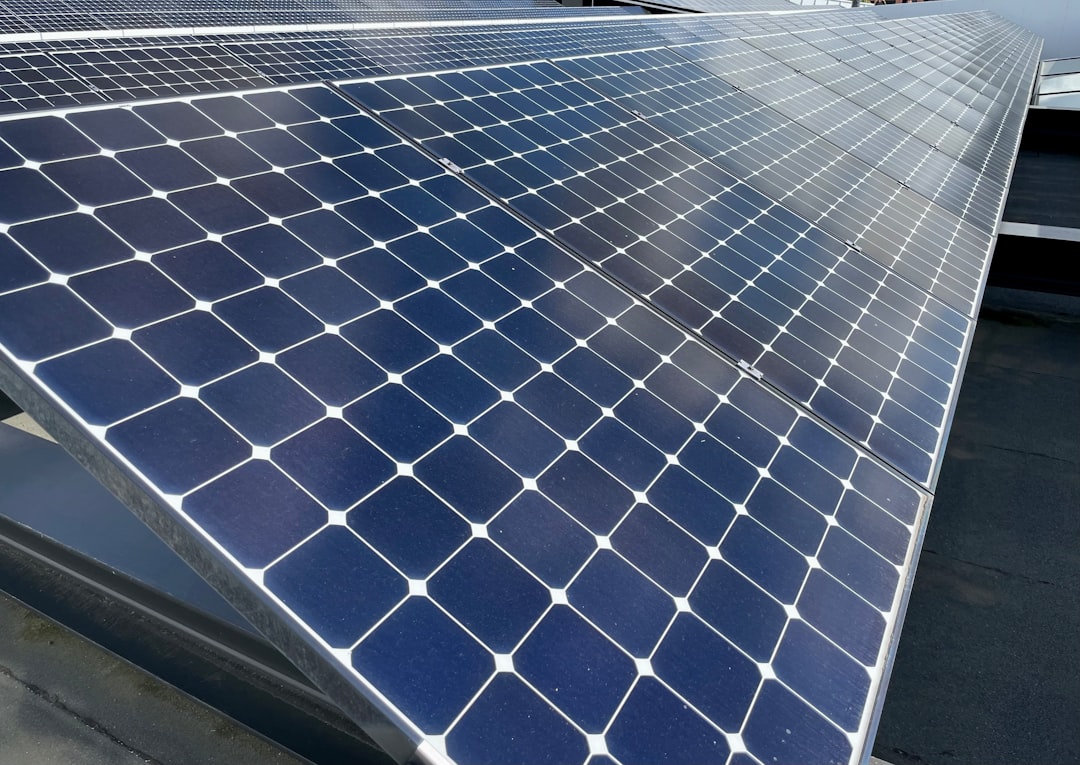
Equipment Warranties: Panels, Inverters, and Racking
Let’s cut through the fine print. Your solar system is a 25-year financial asset. The warranty on each component is your insurance policy against that asset losing value. If you don’t understand what’s covered, you’re leaving your return on investment to chance. Here’s exactly what you need to know about the three critical pieces: panels, inverters, and the metal holding everything together.
Panel Performance Guarantees: The 80% Rule
Every solar panel comes with two warranties: a product warranty (against defects) and a performance warranty (against degradation). The performance guarantee is where most homeowners get tripped up. The industry standard is a linear power output guarantee that ensures your panels produce at least 92% of their rated power in year one, and no less than 80% after 25 years.
What that actually means for your wallet:
If you buy a 400-watt panel, it should produce 400 watts on day one. By year 25, the manufacturer guarantees it will still produce at least 320 watts (80% of 400). If it drops below that, you get a replacement panel. But here’s the kicker—most premium panels degrade at roughly 0.25% to 0.50% per year. That means a good panel will actually produce around 88-90% of its original power after 25 years, not just 80%.
Why the 80% floor matters:
That 20% buffer is the manufacturer’s risk limit. If you finance a system expecting 100% production for 25 years, and your panels degrade at 1% annually (which some budget panels do), you lose 25% of your energy output. That’s real money—roughly $2,500 to $5,000 in lost electricity savings over the life of the system. Always ask: “What’s the annual degradation rate in the fine print?”
The premium panel advantage:
Top-tier manufacturers like SunPower, LG (now Hanwha Qcells), and REC offer degradation rates as low as 0.25% per year. That means after 25 years, your panel is still producing 93.75% of its original power. Compare that to a budget panel with 0.7% degradation—you’d be at 82.5% output. The difference is roughly 11% more energy over the life of the system. On a 10 kW system, that’s an extra 4,000–5,000 kWh. At $0.15/kWh, that’s $600–$750 in extra savings.
What’s not covered:
Performance warranties don’t cover shading, dirt, snow, or installer error. If a tree grows and shades your panels, the manufacturer isn’t sending you a check. That’s on you. Also, most warranties require the panels to be installed in a “properly ventilated” racking system. If your installer mounts them flat on a low-slope roof and they overheat, degradation accelerates. The warranty won’t cover that.
Pro tip: Look for panels with a “linear performance guarantee” rather than a stepped one. Stepped guarantees (e.g., 90% for 10 years, then 80% for 25) are less favorable because they give the manufacturer a huge window to let degradation run wild before they have to replace anything.
Inverter Coverage: The 10–12 Year Cliff
Inverters are the most likely component to fail. They’re the brains of your system, converting DC power from your panels into AC power your home can use. They contain sensitive electronics, capacitors, and cooling fans—all of which wear out faster than a silicon solar cell.
Standard inverter warranties:
- String inverters: 10 years is the industry baseline. Premium brands like SMA and Fronius offer 10 years, but you can buy extended 15- or 20-year coverage. Cost: roughly $150–$300 extra.
- Microinverters: 12 years is standard. Enphase offers 12 years on their IQ7 series, but their newest IQ8 series comes with 15 years standard.
- Power optimizers: Similar to microinverters—12 years typical, but SolarEdge offers up to 20 years with their extended warranty option.
Why the shorter term?
Inverters have a designed lifespan of about 10–15 years. After that, electrolytic capacitors dry out, power transistors degrade, and cooling fans seize. A typical inverter replacement costs $1,500–$3,000 including labor. If your inverter fails in year 11 and you only have a 10-year warranty, that’s 100% out of pocket.
The hidden cost of a 10-year warranty:
Let’s do the math. A 7.6 kW string inverter costs about $1,800 installed. If it fails at year 11, and you replace it, that’s $1,800 you didn’t budget for. But if you had paid $200 for a 15-year extended warranty, you’d be covered. The breakeven is simple: if the inverter has a 10% chance of failing in years 11–15, the extended warranty is a smart bet. In reality, failure rates for string inverters in years 10–15 are closer to 20–30%. Buy the extension.
What voids an inverter warranty?
- Overvoltage events (lightning strikes or grid surges).
- Installation in direct sunlight (inverters need shade or they overheat).
- Failure to register the product within 30 days of installation.
- Using third-party monitoring software that modifies settings.
The microinverter advantage:
Microinverters are warrantied for 12–15 years, but they’re easier to replace. If one micro fails, you lose one panel’s output. A string inverter failure kills your entire system. Also, Enphase offers a “product warranty” that covers shipping both ways—no hidden fees. With string inverters, you often pay shipping and labor.
Racking and Corrosion Protection
This is the most overlooked warranty in solar. Your panels are bolted to your roof with aluminum or stainless steel rails, clamps, and brackets. If those corrode, your entire system is at risk of structural failure. A racking failure can cause panels to slide off your roof, damage your shingles, and create a serious safety hazard.
What standard racking warranties cover:
Most racking manufacturers (IronRidge, Unirac, SnapNrack) offer a 10-year product warranty against defects in materials and workmanship. A few premium brands offer 25-year warranties. The real issue is corrosion resistance, not just “defects.”
Corrosion ratings you need to know:
- C1 (mild): Indoor, dry environments. Not suitable for coastal or snowy areas.
- C2 (moderate): Rural areas, occasional condensation.
- C3 (high): Urban, industrial, coastal areas with salt spray. This is the minimum for most U.S. homes.
- C4 (very high): Direct coastal zones, industrial pollution.
- C5 (extreme): Marine environments, salt water immersion.
The problem with budget racking:
Some installers use racking with C2-rated coatings on a beachfront home. Within 5–7 years, you’ll see white rust (aluminum oxide) forming on the clamps and bolts. That weakens the structural integrity. If a clamp fails, your panel can shift or fall. Most racking warranties explicitly exclude “cosmetic corrosion” or “surface oxidation.” Read that carefully.
What to demand from your installer:
- Stainless steel hardware: Bolts, washers, and nuts should be 304 or 316 stainless steel. Not zinc-plated. Zinc corrodes.
- Aluminum rails with a Class 3 anodized coating: This is standard for premium racking. It resists corrosion far better than bare aluminum.
- Grounding clips: Make sure they’re copper or tinned copper, not steel. Steel clips rust and lose electrical continuity, which creates a fire risk.
The labor warranty trap:
Racking warranties cover the parts, not the labor to replace them. If a rail corrodes in year 12, the manufacturer sends you a new rail. But you’re paying the installer $200–$400 to remove panels, replace the rail, and reinstall. That’s not covered. Ask your installer: “Do you offer a labor warranty on racking replacement?” Most don’t. Some premium installers include a 5-year labor warranty on all racking repairs.
Coastal homes: A special case
If you live within 3 miles of the ocean, your racking needs to be C5-rated. Standard C3 racking will start pitting within 3–5 years. Expect to pay 10–15% more for marine-grade racking, but it’s cheaper than a roof repair after a panel falls off.
Comparative Data Table: Warranty Terms at a Glance
| Component | Standard Warranty | Premium Warranty | Typical Replacement Cost | Common Exclusions |
|---|---|---|---|---|
| Solar Panels | 10–12 yr product, 25 yr performance (80%) | 25 yr product, 30 yr performance (92%) | $200–$400 per panel (labor) | Shading, dirt, improper ventilation |
| String Inverters | 10 years | 15–20 years (extended) | $1,500–$3,000 installed | Lightning, overheating, improper installation |
| Microinverters | 12 years | 15–25 years (Enphase IQ8) | $150–$300 per unit (labor) | Grid surges, unregistered product |
| Racking | 10 years | 25 years | $200–$600 per rail replacement | Corrosion, labor, cosmetic damage |
Your Action Items
Before you sign a contract, get these three questions answered in writing:
- “What is the exact annual degradation rate for the panels being installed? Not the 25-year average—the per-year number.”
- “Can I purchase an extended inverter warranty to cover years 11–20? What’s the cost?”
- “What corrosion rating does your racking have, and is the hardware stainless steel?”
One more thing: register every warranty within 30 days of installation. Manufacturers are ruthless about this. If you miss the deadline, your warranty is void. Put a calendar reminder on your phone the day your system goes live.
Your solar system is a 25-year relationship. Treat the warranties like a prenup—know exactly what’s covered, what’s not, and who pays when something breaks. That’s how you protect your investment.
The Fine Print: Transferability, Bankruptcy, and Claims
You’ve got the panels, the inverter, and a shiny warranty certificate. But what happens when life throws a curveball? Maybe you’re selling the house. Maybe your installer goes belly-up. Or maybe a panel stops working and you need to make a claim. These are the moments that separate a good warranty from a useless piece of paper. Let’s break down each scenario, no sugarcoating.
Selling Your Home: Can the Warranty Move With You?
Short answer: Yes, most solar warranties are transferable. But the devil is in the details.
Typical transfer rules:
- Manufacturer warranties (on panels and inverters) usually transfer automatically to a new homeowner. You don’t need to pay a fee. But some brands, like SunPower or LG (now Hanwha Q Cells), require you to notify them within 30–60 days of closing.
- Installer workmanship warranties are trickier. Many cover only the original owner. If you sell, the new owner might get a reduced warranty—often 5 years instead of 10 or 25. Some installers charge a transfer fee: expect $150 to $500.
What you should do before listing:
- Call your installer. Ask for their exact transfer policy in writing. Get the fee amount and deadline.
- Update your disclosure documents. In states like California, you’re legally required to tell buyers about the solar system, including warranty terms. Don’t hide a non-transferable workmanship warranty—it could kill the deal.
- Bundle the paperwork. Hand over the original warranty certificates, maintenance records, and transfer confirmation to the buyer’s agent. A clean transfer adds $5,000 to $10,000 to your home’s resale value, according to Zillow data.
Pro tip: If your installer charges a high transfer fee, negotiate. Some will waive it if you’re a repeat customer or if you refer a neighbor. Always ask.
What Happens If Your Installer Goes Under?
This is the nightmare scenario. Solar installers fail at an alarming rate—over 100 companies closed in 2023 alone, according to Wood Mackenzie. Your 25-year workmanship warranty is only as good as the company that issued it.
The hard truth: If your installer files for bankruptcy or simply disappears, your workmanship warranty is likely worthless. No one will come fix a roof leak or a loose racking system for free. But all is not lost.
What’s still protected:
- Manufacturer warranties are separate. Your panel and inverter warranties are backed by the equipment maker, not the installer. Even if your installer vanishes, you can still file a claim with REC, Enphase, SolarEdge, or whoever made your gear.
- Insurance might help. If your homeowner’s insurance covers solar systems, a failed installation (like a leak causing water damage) could be covered. But check your policy—many exclude solar unless you add a rider.
How to protect yourself upfront:
- Choose a large, established installer. Companies with 10+ years in business and thousands of installations are less likely to fold. Check their Better Business Bureau rating and financial health.
- Get a third-party warranty. Some companies offer “warranty insurance” that covers workmanship if your installer goes under. For example, Solar Insure or Sunrun’s “Solar Assurance” plans cost $200–$500 upfront. Worth every penny.
- Ask for the installer’s bonding and licensing. In states like Texas and Florida, licensed contractors must carry a bond. If they fail, you can file a claim against the bond to get repairs paid for. It’s not automatic—you’ll need a lawyer—but it’s a safety net.
How to File a Claim Without Getting the Runaround
You’ve got a problem. A panel stopped producing, or the inverter is throwing error codes. You call your installer, and they put you on hold for 45 minutes. Sound familiar? Here’s how to cut through the noise.
Step 1: Diagnose before you dial.
- Check your monitoring app. If one panel is down, note the serial number and the error code.
- Take photos. Document the issue with clear, timestamped pictures.
- Read your warranty terms. Know exactly what’s covered—labor, parts, shipping, or just the equipment.
Step 2: Call the manufacturer first.
- This is a hack most homeowners don’t know. If your installer is slow, call the panel or inverter maker directly. They often have a separate claims line for end users. For example, Enphase has a “Customer Support” team that will send a replacement part to your door, no installer needed.
- Time savings: Manufacturer claims are typically resolved in 5–10 business days. Installer claims can drag on for weeks.
Step 3: Use the “escalation” script.
- When you call your installer, say this: “I have a warranty claim under [company name]’s workmanship warranty. I need a service ticket number and a scheduled visit within 7 days. If you can’t provide that, please transfer me to your warranty manager.”
- Most reps are trained to delay. A firm, polite request for a ticket number forces them to log your claim. If they refuse, ask for the manager. If the manager stalls, email the company’s CEO or owner—their email is often public.
Step 4: Document everything.
- Keep a log: date, time, who you spoke to, what they said. If they promise a callback in 48 hours and don’t call, that’s a breach of their own policy.
- Save all emails. If you need to file a complaint with your state’s contractor board or the Better Business Bureau, you’ll have evidence.
What to do if they still ignore you:
- File a complaint with the Consumer Financial Protection Bureau (if your solar loan is involved) or the Federal Trade Commission.
- Post on social media. Tag the installer and the manufacturer. Public pressure works—companies hate bad reviews.
- Hire a lawyer. A demand letter costs $200–$500. Most installers will settle rather than face a lawsuit over a $1,000 repair.
Quick Reference: Transferability & Claims
| Scenario | What’s Covered | What’s Not | Your Action |
|---|---|---|---|
| Selling home | Manufacturer warranty transfers free | Workmanship warranty may expire | Pay transfer fee, notify installer within 30 days |
| Installer bankrupt | Manufacturer warranty still valid | Workmanship warranty void | File claim with manufacturer, check bond/insurance |
| Claim denied | Equipment failure (panels, inverter) | Damage from improper installation | Document, escalate to manager, file complaint |
| Slow response | Labor for repair | Parts if not in stock | Call manufacturer directly, use escalation script |
Final thought: A warranty is only as good as the company standing behind it. Treat it like an insurance policy—read the fine print, know the exclusions, and always have a backup plan. Your solar system is a 25-year asset. Don’t let a bankruptcy or a slow claims process turn it into a headache.

Red Flags and Questions to Ask Before Signing
You’ve read the fine print. You’ve compared the 25-year power production warranty from one installer against the 10-year equipment warranty from another. But here’s the truth: the most dangerous clause in your solar contract isn’t the one about degradation rates. It’s the one you didn’t read at all.
Before you sign, you need to ask specific, uncomfortable questions. The answers will tell you whether you’re getting a legitimate, long-term asset or a ticking time bomb. Let’s walk through the exact red flags and the questions that cut through the sales pitch.
Red Flag #1: The Installer Won’t Name Their Backup Plan
The solar industry has a brutal failure rate. According to data from Wood Mackenzie, over 40% of solar installers from 2018 have already gone out of business. That’s not a scare tactic—it’s math. If your installer disappears, who handles your warranty claim?
The question you must ask: “If your company goes bankrupt or shuts down, who is the third-party administrator for my warranty claims?”
A good installer will tell you immediately: “We have a service agreement with Solar Insure, or we use the manufacturer’s direct service network.” A bad installer will say, “We’ll always be here for you,” or “We’ll cross that bridge when we come to it.”
What to look for:
- Third-party warranty administrator: Companies like Solar Insure, Solar Service, or the manufacturer’s own service network (e.g., Enphase’s Appliance Warranty Service) will step in if the installer folds.
- Escrow account or bond: Some states require solar contractors to hold a bond or escrow for warranty work. Ask if they do.
- No answer: Walk away. You are buying a promise, not a product.
Red Flag #2: The Warranty Has a Deductible—or a “Service Fee”
You’d never buy a car warranty that charged you $500 to file a claim. But some solar contracts sneak in a “service fee” or “deductible” for every warranty visit.
The question you must ask: “Is there any deductible, service call fee, or minimum charge for a warranty claim? Even if the panel fails?”
Read the exact wording. Some contracts say “first $150 of labor is customer responsibility.” Others say “no deductible for equipment, but a $250 trip charge applies.” That’s a deductible.
Compare these real-world examples:
| Warranty Type | Deductible? | Out-of-Pocket Cost for a Failed Inverter |
|---|---|---|
| Premium Tier (e.g., SunPower, Tesla) | $0 | $0 |
| Mid-Tier (e.g., local installer with service fee) | $150 | $150 + potential labor |
| Budget Tier (e.g., online retailer) | $250 + shipping | $250 + shipping both ways |
The math: If your inverter fails in year 12, and your warranty has a $250 deductible, that’s $250 you didn’t budget for. Over 25 years, even one deductible can wipe out a year of energy savings.
Red Flag #3: The “Labor” Warranty Is Only 1-2 Years
This is the most common trick. The manufacturer gives you a 25-year warranty on the panels. The installer gives you a 25-year warranty on power output. But the labor to replace a failed panel? That’s often only 1 or 2 years.
The question you must ask: “How long is the labor warranty for removing and reinstalling a defective panel or inverter? Is it the same as the equipment warranty?”
If the answer is “2 years,” you need to know: after year 2, if a panel fails, you pay for the truck roll, the labor to remove it, and the labor to reinstall the new one. That can easily cost $400-$800 per panel.
What a strong warranty looks like:
- Labor warranty: 10 years minimum, preferably 25 years.
- Coverage includes: Crane or lift fees, roof penetration resealing, and electrical reconnection.
- Exclusions: If the installer says “we cover labor but not the cost of a lift truck,” that’s a hidden cost.
Red Flag #4: The “Power Production Guarantee” Is a Trap
Some installers promise “90% power output at year 25.” That sounds great. But read the fine print: they often measure output at the panel level under lab conditions, not at your inverter under real-world conditions.
The question you must ask: “Is the power production guarantee based on the panel’s rated output, or on the actual energy my system produces after inverter losses, shading, and soiling?”
The difference: A panel rated at 400W might produce 360W in year 25 under lab conditions. But after inverter efficiency (96%), shading (5%), and soiling (3%), your actual output might be 330W. If the warranty only guarantees the panel’s rated output, you have no recourse for the 30W gap.
Red Flag #5: The “Transferability” Clause Is a Maze
You might sell your home in 7 years. A transferable warranty adds thousands to your home’s resale value. But many warranties have hidden strings.
The question you must ask: “Is the warranty fully transferable to a new homeowner? Are there any fees, time limits, or inspection requirements?”
Common traps:
- Transfer fee: $250-$500. Not a dealbreaker, but you need to know.
- Time limit: “Transferable only within the first 10 years.” After that, the new owner gets nothing.
- Inspection requirement: “Must pass a system inspection by an authorized dealer within 30 days of transfer.” That costs $200-$400.
- Non-transferable labor: The equipment warranty transfers, but the labor warranty resets to zero for the new owner.
Red Flag #6: The “Rapid Degradation” Clause
Most panels degrade at 0.5% to 0.7% per year. But some warranties allow for accelerated degradation in the first year—up to 2% or 3%. That means your brand-new panels could be 3% weaker than expected on day one, and the warranty still says they’re fine.
The question you must ask: “What is the maximum allowed degradation in the first year? And is it measured from the panel’s nameplate rating or from a tested baseline?”
Why it matters: A panel rated at 400W that degrades 3% in year one is now a 388W panel. Over 25 years, that 12W loss compounds. You want a warranty that guarantees linear degradation (0.5% per year) with no front-loaded penalty.
Red Flag #7: The “Force Majeure” Loophole
Every contract has a force majeure clause (acts of God). But some solar warranties stretch it to cover anything the installer doesn’t want to pay for.
The question you must ask: “What specific events are excluded under force majeure? Does it include grid outages, weather events below hurricane strength, or supply chain delays?”
Watch for: “Any event outside the installer’s reasonable control.” That’s a blank check. A good warranty lists specific exclusions: hurricanes, earthquakes, fire, and vandalism. A bad warranty includes “unexpected increases in labor costs” or “manufacturer delays.”
The Final Checklist Before You Sign
Print this out. Take it to your meeting. Do not sign until every question is answered in writing.
- Who handles claims if the installer goes out of business? (Get a name and a phone number.)
- Is there any deductible, service fee, or trip charge for warranty work? (Get the exact dollar amount.)
- How long is the labor warranty? (10 years or more is the minimum.)
- Is the power production guarantee based on panel rating or real-world output? (Get the calculation method.)
- Is the warranty fully transferable? (Get the transfer fee and any time limits.)
- What is the maximum first-year degradation allowed? (0.5% linear is ideal.)
- What specific events are excluded under force majeure? (Get a list, not a catch-all.)
One more thing: get every answer in the contract, not in a verbal promise. If the salesperson says “Oh, we never enforce that deductible,” ask them to cross it out and initial the change. If they won’t, assume you will pay it.
Your solar system is a 25-year investment. The warranty is your insurance policy. Don’t buy a policy with holes in it.
Operational checklist before you commit
- Ask for the exact workmanship warranty length in writing.
- Confirm the warranty covers roof leak repairs if the installer damages your roof.
- Request proof of manufacturer warranties for panels, inverter, and racking.
- Verify the warranty is transferable if you sell your home.
- Check if there’s a production guarantee—and how it’s measured.
Frequently asked questions
What’s the difference between a workmanship warranty and an equipment warranty?
Workmanship covers installation errors—like loose wiring or roof leaks. Equipment covers defects in the panels or inverter. Your installer handles workmanship; the manufacturer handles equipment.
Do solar warranties cover roof damage?
Only if your installer’s workmanship warranty explicitly says so. Many do, but you need it in writing. Otherwise, roof repairs fall on you.
Final takeaways
Your solar warranty isn’t just paperwork—it’s a financial hedge. A strong warranty protects your investment against faulty installs, equipment failures, and unexpected roof leaks.
Don’t settle for vague promises. Get every coverage detail in writing. Compare warranties like you compare price. That’s how you lock in real peace of mind.
Tools to validate your solar costs
Use these tools to calculate solar panel costs, utility inflation, and long-term savings potential.